|
Investigating Tools of Astronomy
Exploration One: How Do Astronomers Observe the Universe?
Activity 2: What Does Electromagnetic Radiation Tell Us?
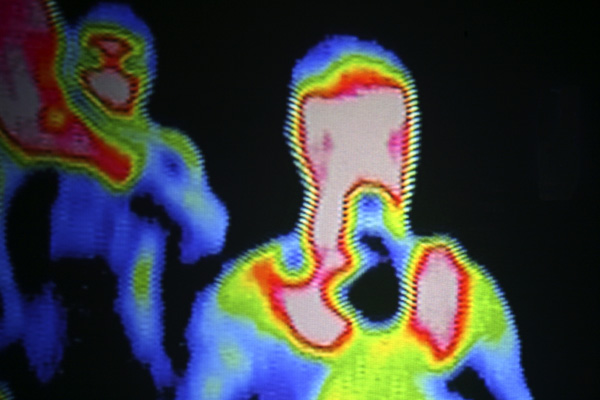
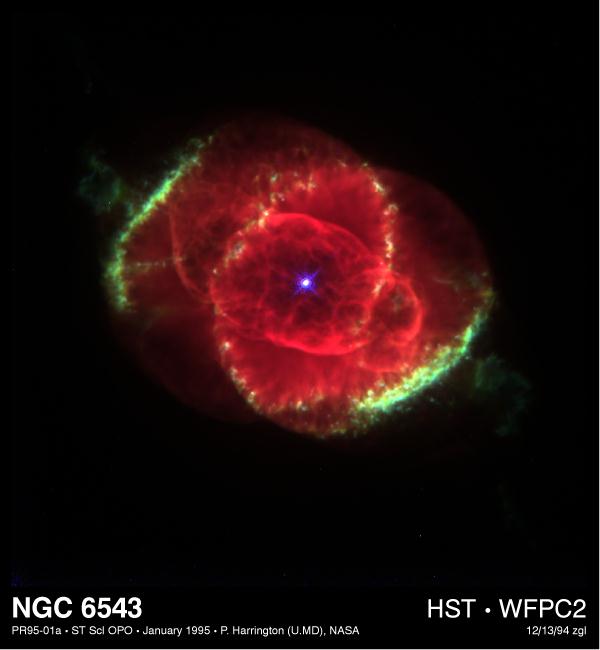
Images for Part 1
Part 2: Looking at a Mystery Object
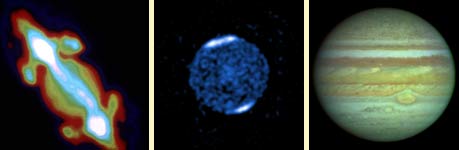
Part 3: Looking at the Crab Nebula
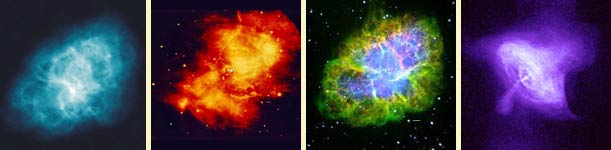
Activity 3: Discovering the Multi-Wavelength Universe
Exploration Two: What Are Electromagnetic Waves?
Activity 3: Making the Electromagnetic Spectrum
Observatory Resources:
National Radio Astronomy Observatory
Spitzer Infrared Observatory
National Optical Astronomy Observatory (Visible Light)
Chandra X-ray Observatory
Cool Cosmos Multi-wavelength Astronomy Gallery and Information
Exploration Three: Telescopes and Image Processing
Activity 2: CCDs
Part 1: Looking at Pixels in a Digital Photo

Activity 3: Image Processing
Exploration Four: Messages of Light
First Thoughts
Activity 1: How Do We Analyze Light?
Part 1: Investigating Spectra
Part 2: Absorption Lines
Spectral Line Catalog
Activity 2: Interpreting Color & Temperature
Part 1: The Color of Stars
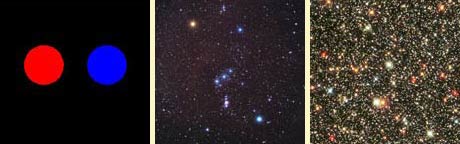
Optional:Nebraska Astronomy Applet Project (NAAP) Blackbody Simulator
Part 2: Filters & Imaging
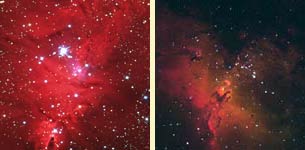
Challenge: Cosmic Detectives
Investigating Tools of Astronomy Challenge Area of the Data Center
Doing Science
Extending Your Work
Recommended Resources
Stargazer: The Life and Times of the Telescope by Fred Watson (Da Capo Press, 2005, ISBN:0-306-81432-3) �a book on the history of the telescope and people involved in that story
|